How to choose the right block of land
Buying land is more than comparing prices and lot sizes. Learn the key factors that influence design flexibility, construction costs, energy efficiency and long-term value before you commit.
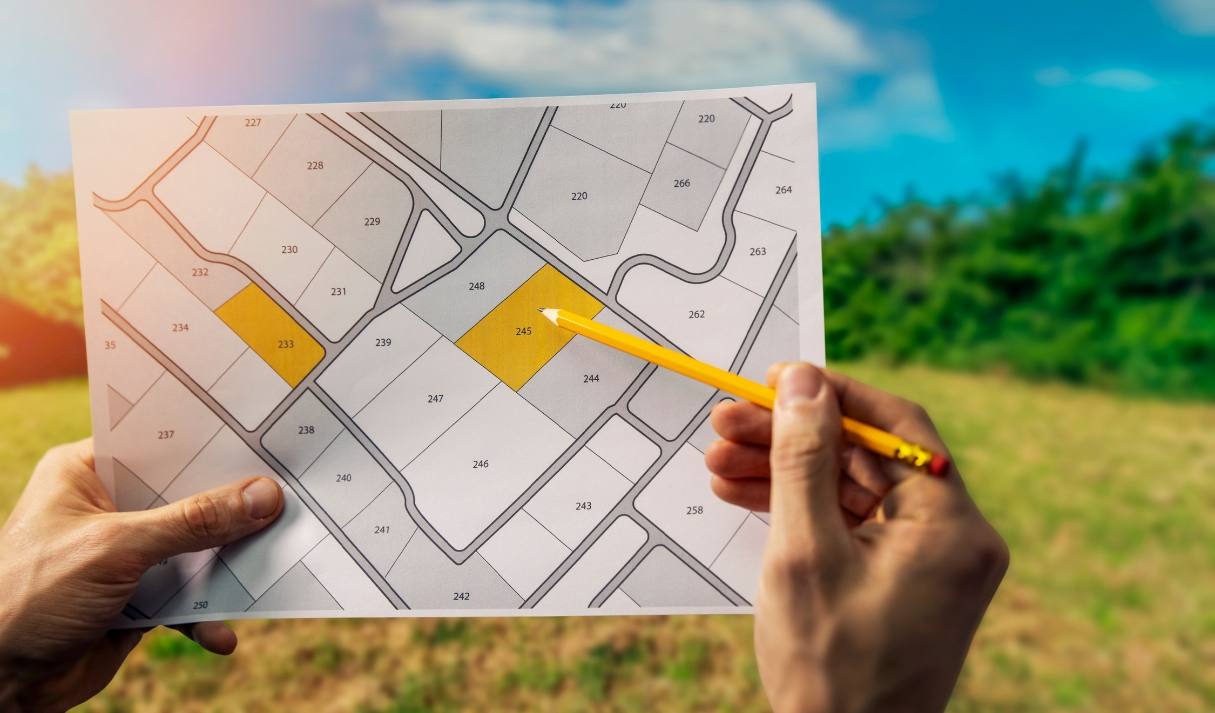
The excitement of building a new home often begins with choosing a floor plan or imagining life in a beautiful new neighbourhood. Yet long before colours are selected or foundations are poured, one decision quietly influences every stage of the journey: the block of land itself. It determines what you can build, how much your project is likely to cost, how efficiently your home performs and, ultimately, how enjoyable it will be to live in for decades to come.
For many first home buyers across Adelaide and South Australia, purchasing land is unfamiliar territory. A block may appear generous in size, well-priced and perfectly positioned within a sought-after estate, but appearances rarely tell the whole story. Factors such as orientation, slope, soil conditions, easements and local planning requirements can all shape the design of your future home and significantly affect construction costs.
At HomeSquare, we've seen buyers invest countless hours comparing home designs while overlooking the very thing those homes must be built upon. The reality is that selecting the right parcel of land is just as important as selecting the builder. A carefully chosen block creates opportunities, while the wrong one can introduce unnecessary compromises before construction has even begun.
Every Block Tells a Different Story
It's easy to compare land by price or size alone, but residential allotments are far more individual than they first appear. Two neighbouring 400-square-metre blocks may look almost identical on a subdivision plan, yet one may comfortably accommodate a spacious family home with generous outdoor living, while the other could require extensive design modifications because of its dimensions, orientation or site constraints.
The frontage, depth and overall proportions of a block determine how efficiently a home can be positioned. Wider frontages often provide greater flexibility for façade design, garage placement and natural light, whereas narrow allotments may require carefully considered layouts to achieve the same level of functionality. Corner blocks present additional opportunities for architectural appeal but also come with unique planning considerations that should be understood before purchasing.
Rather than asking, "How big is the block?", experienced builders ask a different question: "What can this block realistically accommodate?" That distinction can make all the difference.
Why Orientation Matters More Than You Think
South Australia's climate makes orientation one of the most valuable yet overlooked aspects of residential land selection.
A well-positioned home takes advantage of natural sunlight throughout the year, creating brighter living spaces during winter while helping reduce reliance on artificial heating. During Adelaide's warmer months, thoughtful orientation also assists with shading and ventilation, contributing to improved comfort and lower energy consumption.
This isn't simply about sustainability. Natural light influences how a home feels every day. Living areas that receive consistent daylight often appear larger, warmer and more inviting, while poorly oriented homes can feel darker despite generous glazing or expensive finishes.
Before committing to a block, it's worth considering how your preferred home design will sit on the land and whether the orientation allows the main living areas, entertaining spaces and backyard to work together harmoniously.
Looking Beyond the Purchase Price
One of the most common misconceptions among land buyers is that the advertised price represents the true cost of the site.
In reality, construction costs begin responding to the land itself long before the first tradesperson arrives.
Blocks with noticeable gradients may require excavation, retaining walls or engineered footings. Certain soil classifications can influence slab design, while stormwater requirements, service connections and site accessibility all contribute to the overall construction budget. Individually these costs may appear manageable, but together they can add thousands of dollars to a project if they haven't been considered from the outset.
This is why experienced builders evaluate the complete picture rather than focusing solely on the purchase price. A slightly more expensive block with favourable site conditions may ultimately represent far better value than a cheaper allotment requiring extensive preparation before construction can even commence.
Understanding Planning Requirements
Every parcel of land exists within a planning framework designed to guide development and maintain the character of surrounding communities.
Across Adelaide and South Australia, buyers may encounter building setbacks, easements, estate design guidelines, encumbrances and council planning requirements that influence what can be built and where. These conditions aren't necessarily obstacles, but they should be understood before committing to a purchase.
For example, drainage easements may restrict where certain structures can be located, while estate guidelines can influence façade materials, fencing or landscaping requirements. Understanding these details early helps prevent costly redesigns and ensures your chosen home design remains suitable for the site.
Taking the time to review these requirements before signing a contract provides greater certainty and reduces the likelihood of unexpected delays later in the building process.
Choosing a Location That Will Grow With You
Selecting the right block isn't only about the land beneath your feet. It's equally about the community that surrounds it.
For growing families, proximity to quality schools, childcare centres, parks and sporting facilities often becomes just as important as the home itself. Professionals may prioritise commuting times, public transport and convenient access to Adelaide's employment hubs, while investors often look beyond today's streetscape to identify suburbs benefiting from future infrastructure and population growth.
Many of South Australia's emerging residential communities are being carefully planned to include shopping precincts, schools, healthcare services and recreational spaces, creating neighbourhoods designed to support residents for decades rather than years. Understanding these broader factors allows buyers to evaluate long-term lifestyle as well as immediate affordability.
Ask the Questions That Matter
Before purchasing any block of land, take the opportunity to ask questions that go beyond the sales brochure.
Can your preferred HomeSquare design comfortably fit within the available building envelope? Does the orientation support natural light throughout the home's main living areas? Are there any site characteristics likely to increase construction costs? Have planning restrictions or easements been reviewed? Does the surrounding suburb align with your family's future needs rather than simply your current circumstances?
The answers to these questions often reveal far more about a block's true value than its advertised price ever could.
Building Starts Long Before Construction
Choosing the right block of land is one of the most significant decisions you'll make throughout your building journey. While finishes, fixtures and floor plans can be refined over time, the land itself remains the one element that cannot be changed once purchased.
A carefully considered decision at the beginning of the process creates greater design flexibility, more predictable construction costs and a home that feels comfortable, functional and enjoyable for years to come.
At HomeSquare, we believe informed decisions create better homes. By helping South Australian buyers evaluate land with confidence before construction begins, we ensure every home starts with the strongest possible foundation, long before the slab is poured.
KEEP READING
More from the Buyer’s Guide
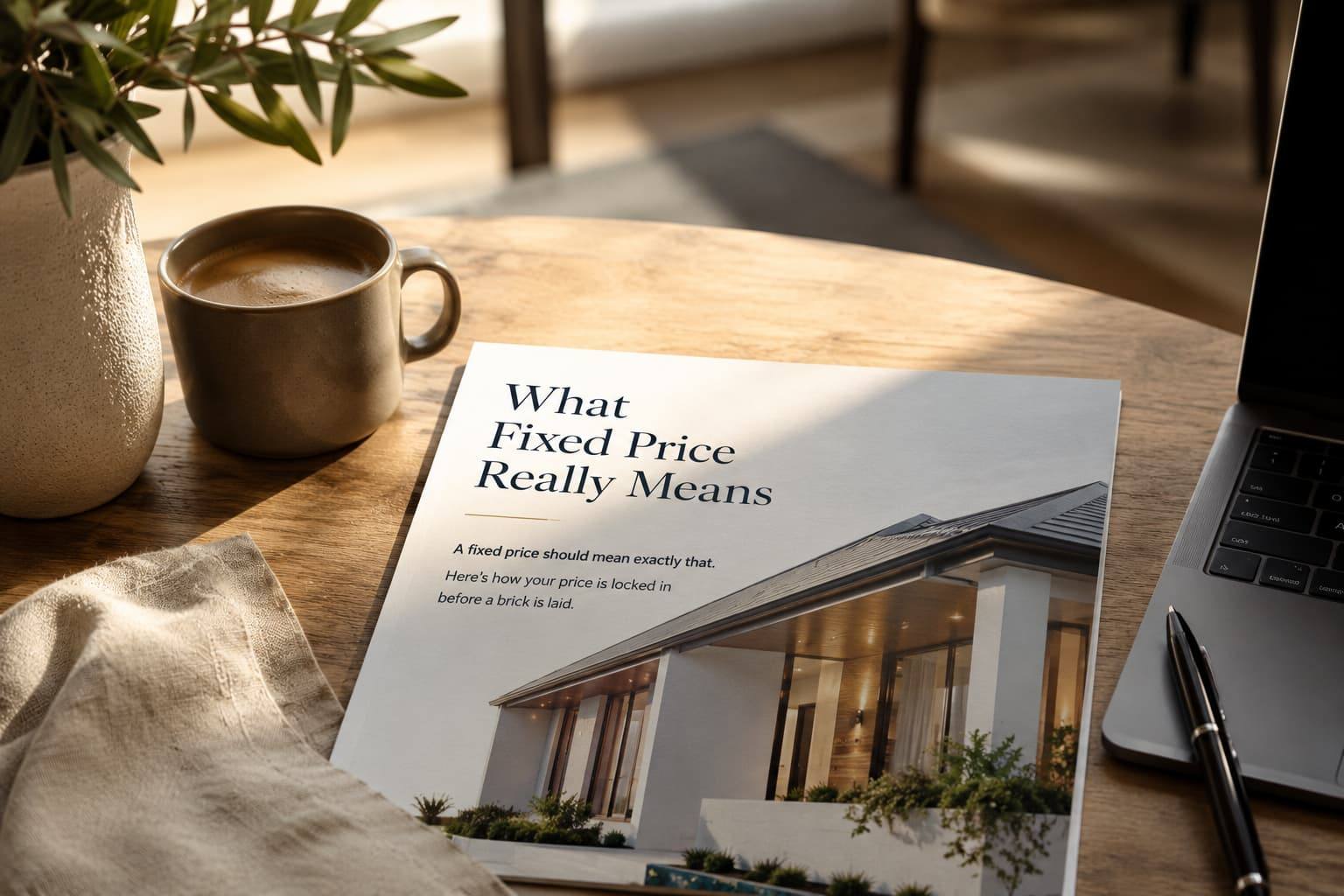
What “fixed price” really means
Not every fixed-price contract is as straightforward as it sounds. While some builders advertise an attractive starting price only for additional costs to appear later, a genuine fixed-price contract provides certainty from the outset. Here's what you should expect before signing on the dotted line.
Read article
What happens during your build
Building a new home can feel overwhelming if you don't know what happens after your contract is signed. Understanding each stage of construction, from site preparation and slab to final handover, helps you feel confident, informed and excited throughout your HomeSquare journey.
Read article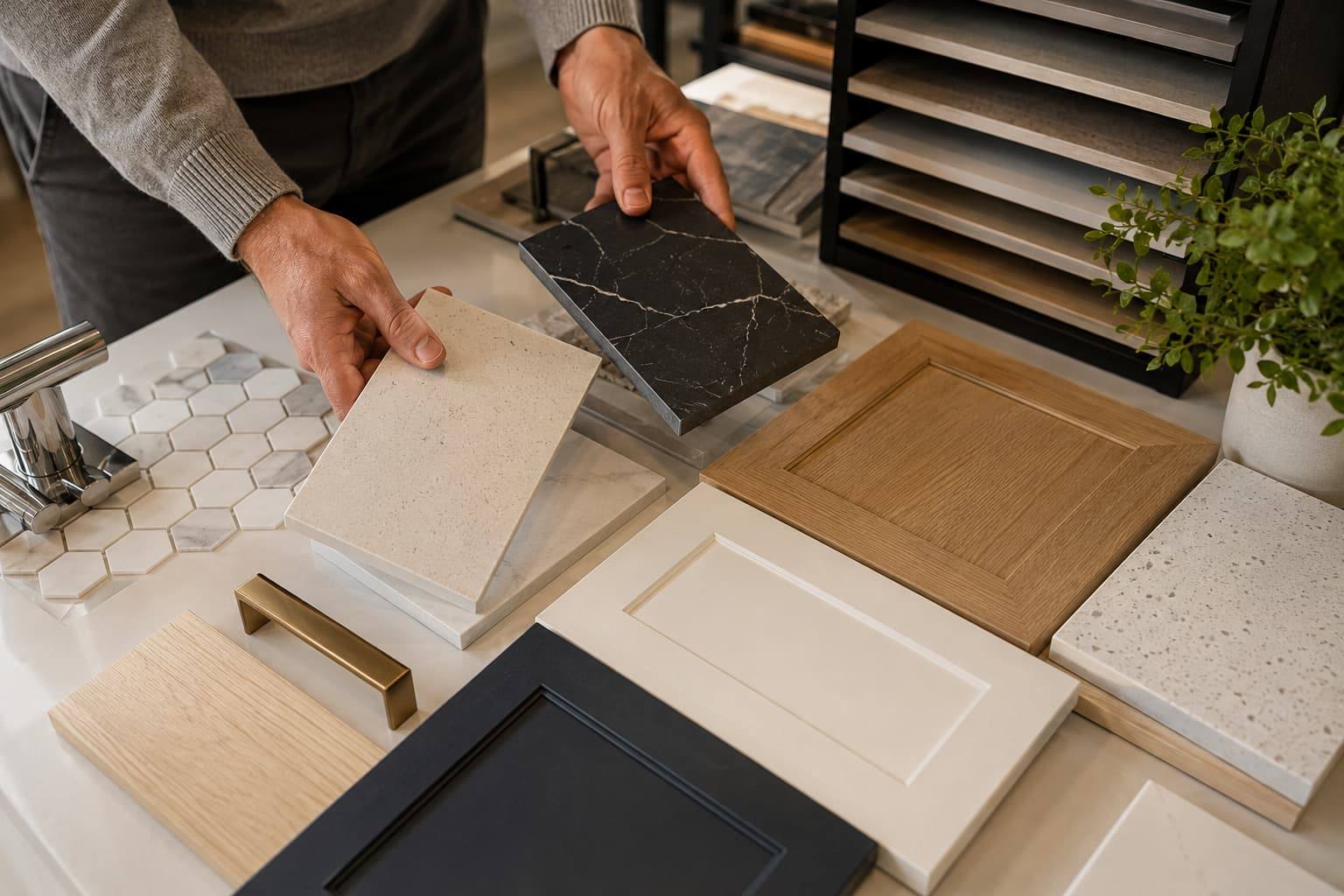
Standard vs upgraded inclusions
Choosing a home is about more than selecting a floor plan. The finishes, fixtures and features you include will influence how your home looks, feels and functions for years to come. Here's how standard and upgraded inclusions differ, and how to decide what's right for you.
Read articleBUILD WITH CERTAINTY
Build with confidence.
See your fixed price and committed build time in minutes — no custom quotes, no surprises.